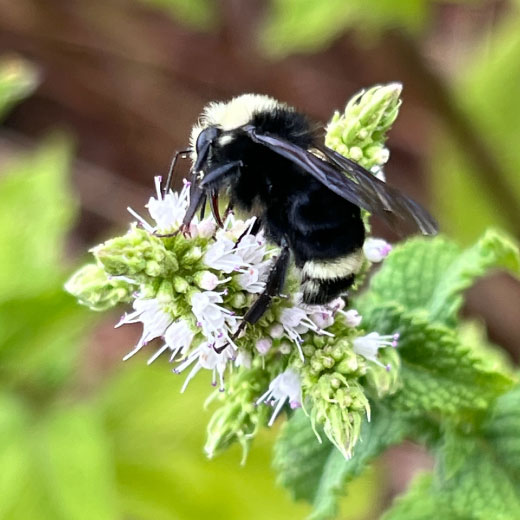

A market farm & small-scale chick hatchery practicing regenerative agriculture in the rising foothills of Oregon’s Coast Range.
Thank you, Hollywood Farmers Market, for a wonderful 2025 summer season – we hope to see you this summer!
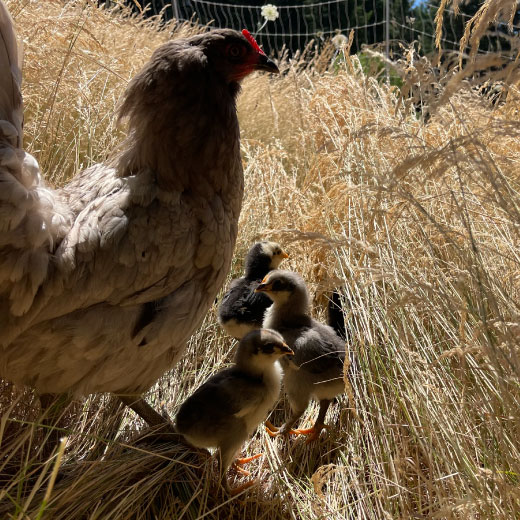
We invite you to learn more about our small, humane hatchery Understory Chickens. 2026 Orders for Day-Old Chick, Started Pullet, & Hatching Eggs are now open!

Dry Farming, Rainfall Farming, & Harvested Rainwater
During the summer months, we practice dry farming: a practice perhaps as old as agriculture itself that is receiving new focus as a climate resilience strategy, as well as its ability to increase flavor and storability. Our dry-farmed crops rely solely on the water stored in the soil, surviving without irrigation. Learn more about Dry Farming here.
In the rainy season, we rely on natural rainfall to water our crops. For our plant starts and a few water-hungry crops, we use harvested rainwater collected off of our barn roof.
Soil First & Bee Friendly
We see organic standards as the bare minimum. We only use soil amendments allowed under certified organic farming, and we do not use any herbicides, pesticides, or fungicides. Our long-term goal is to minimize off-farm inputs, working towards only bringing in crop seed and supplemental poultry feed.
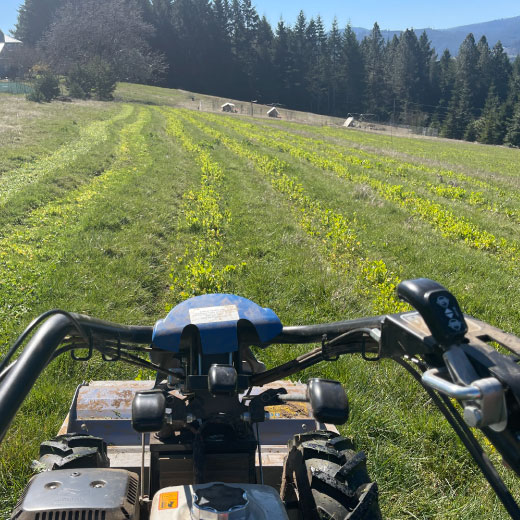
We farm our southwest facing hillside along the contour to improve water infiltration and prevent erosion. To minimize soil compaction, we use a lightweight walk-behind tractor to manage permanent rows and pathways, and we spend a significant amount of time using hand tools.
We practice a form of minimal tillage called strip tillage, where pathways between crop rows are inhabited by a mix of plant species (some perennial, some annual) – meaning upwards of half of our crop fields always have living roots in the soil. This allows us to grow green manure right beside our crop beds and that the roots of our crops have access to reservoirs of active, undisturbed soil communities.
On Farm Compost Production
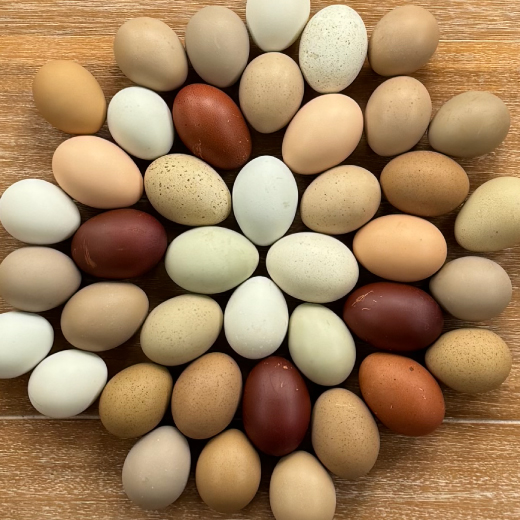
We maintain small breeding flocks of rare breed and rainbow egg laying chickens, offering eating eggs and day-old chicks for sale. Learn more about our rare breeds and egg color genetics under our hatchery page, Understory Chickens.
By feeding our layer flocks certified organic, no-corn, no-soy feed, as well as unmarketable produce and greens grown specifically for them, we are able to produce “cleaner” compost for use in our cultivated vegetable fields and practice on farm nutrient recycling.
No Plastic Mulch
In our effort to avoid any single-use plastics and prevent micro-plastics from ending up in our soil, we do not use plastic mulch. Instead, we rely on hand weeding during the growing season and natural mulches sourced onsite. When it comes to plastic pots, frost blankets, and other plastic used on the property – we try to invest in quality products that can be reused for many seasons.
Forage for Wildlife
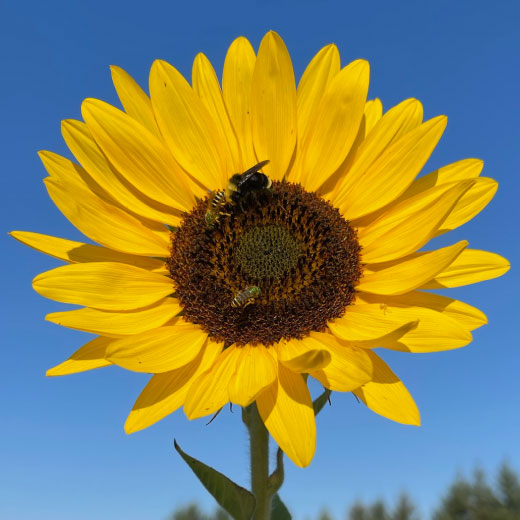
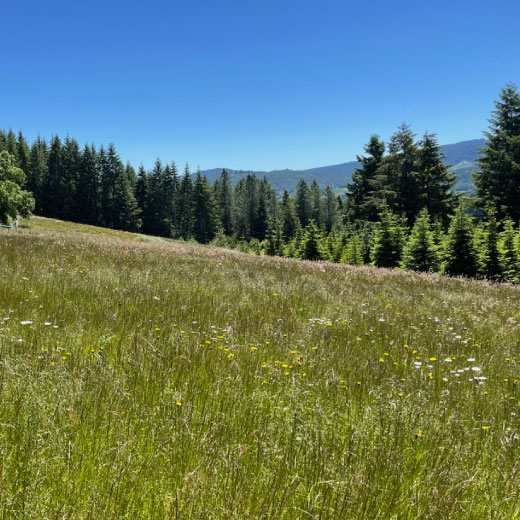
We are setting aside portions of our small farm for wildlife and are working to remove invasive plants and adding native plants, shrubs, and trees. We are thinning a densely planted fir tree stand and adding in forage for deer and elk. We are establishing permanent pollinator corridors with native plants, as well as incorporating annual pollinator friendly plants in our cultivated areas. We believe that a healthy, balanced ecosystem is a benefit to the farm.
The Enduring Hill
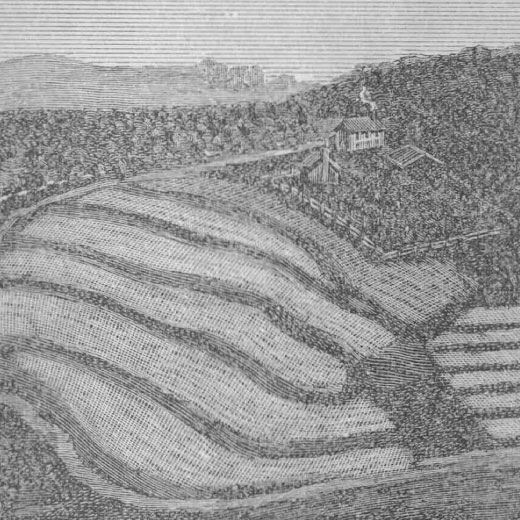
Our hill will long outlast us. In our role as its temporary stewards, we aim to farm in a manner that will have a positive and lasting effect on the land itself – leaving it better than we found it: healthy active soils, an improved water table, increased native biodiversity, and an improved ecosystem.
 Perennial Hill, LLC